Hungary’s Goal Scoring Genius
Collectors that venture into collecting the prewar pioneers of association football will inevitably come across the name of one of football’s greatest goal scorers of that era: Imre Schlosser.
Prior to World War 1, England and Scotland had dominated the world association football; however, during the beginning of the 1900s the sport was starting to gain a foothold in other parts of the world. Denmark put forth a solid team to 1908 Olympics with the great defender Nils Middelboe, who would later go on to play in England by becoming the first international signing for Chelsea. Although England continued its dominance by the end of the first decade, the growth of football in European countries like France, Italy, Russia and Germany was underway.
In the decade that followed from 1910 to 1920, the sport grew rapidly in popularity in other countries and lay the foundation for post-World War 1 powerhouse teams such as Uruguay that went on to win the 1924 Olympic , and the strong club teams in Spain of the 1920s. It helped that some retired English legends like Fred Spiksley took their knowledge of the game to places like Sweden, Mexico and Germany, helping to spread the popularity of the game. While it is almost certain that England would have continued its international football dominance in the 1920s had it participated in the 1924 and 1928 Olympics, a new brand of international football was being formed that would eventually surpass the English at their own game.
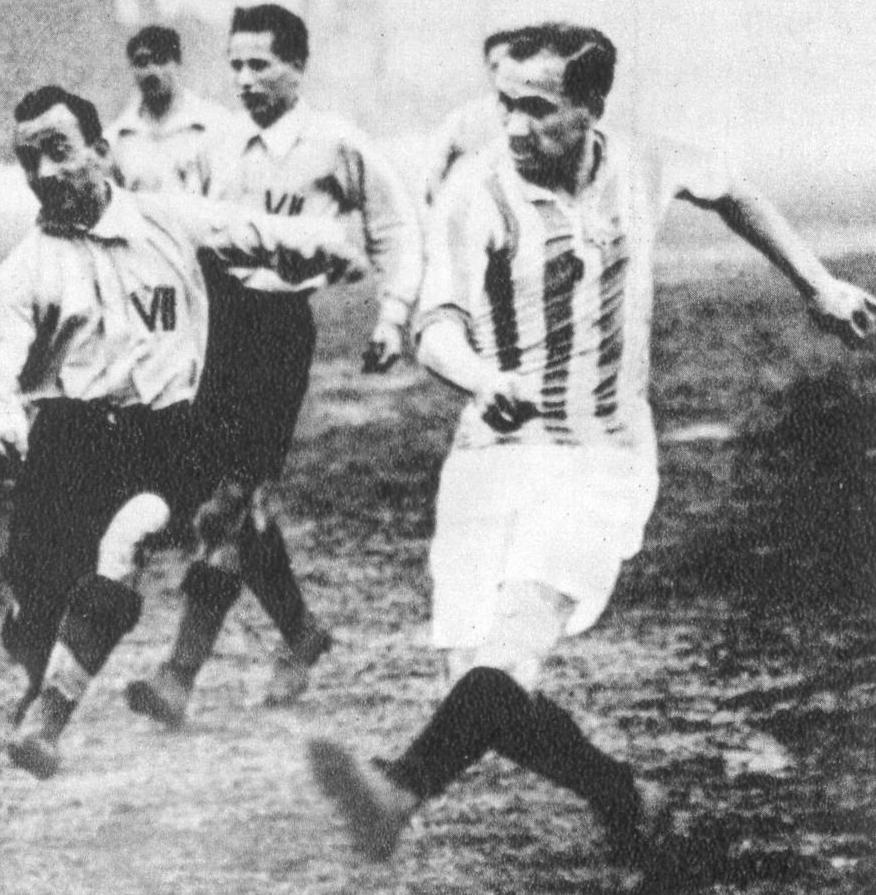
Hungary had developed football relatively early and were considered to play more advanced football than France and Spain at the end of the first decade. The top-flight Hungarian football league called the Nemzeti Bajnokság I or NB I had already formed by 1901 and five years later in 1906, a 17-year old goal scoring sensation by the name of Imre Schlosser joined the league with Ferencváros. For the next 15 years, Schlosser went on to dominate Hungarian football like no other player had ever done in any league.
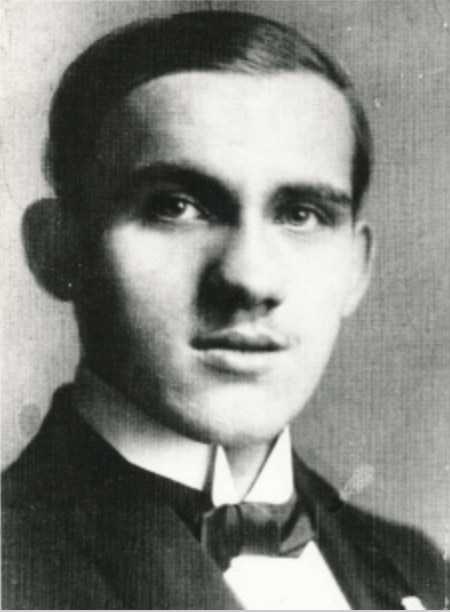
Schlosser would play eight seasons (1906 – 1915) with Ferencváros, of which he was champion six times losing only twice. The two titles the Ferencváros lost during this period were against their greatest rival MTK. With Ferencváros, Schlosser was the top goal scorer of the league six times in a row, scoring a total of 258 league goals in 155 games.
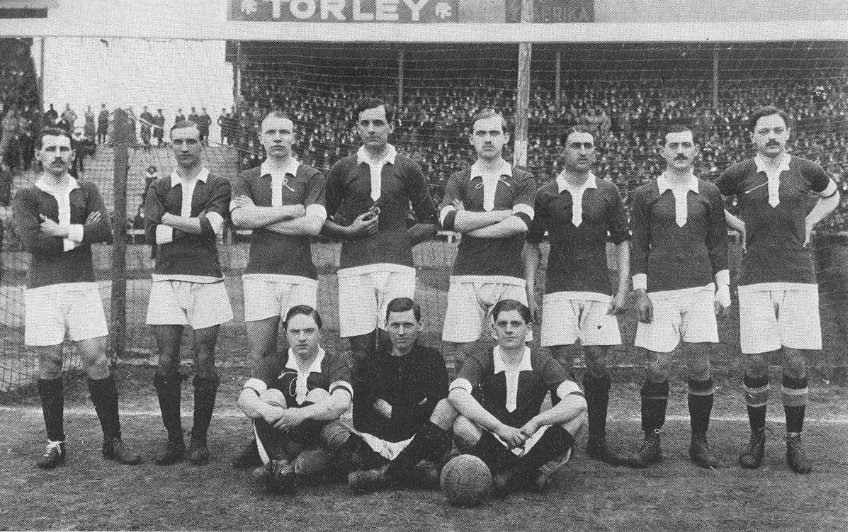
Incredibly, Schlosser also topped European scoring list four times in a row from 1910 to 1914 scoring over 40 goals in three of those seasons, making him the first-ever player to be Europe’s top scorer four times.
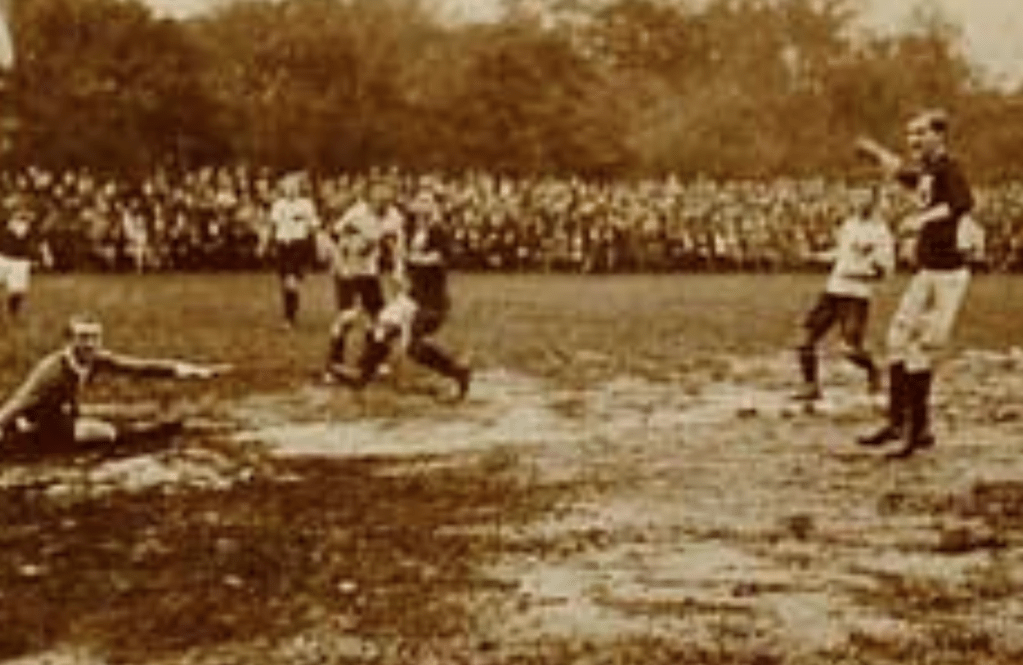
If there were any doubt the degree to which Schlosser dominated Hungarian league, it was put to rest in 1916 when after a heated argument with Ferencváros management and Schlosser left the team to join their greatest rival MTK. What happened next is the stuff that makes a legend, a legend. After Schlosser joined MTK, the team went on to win every league title for the next six years from 1916 to 1922.
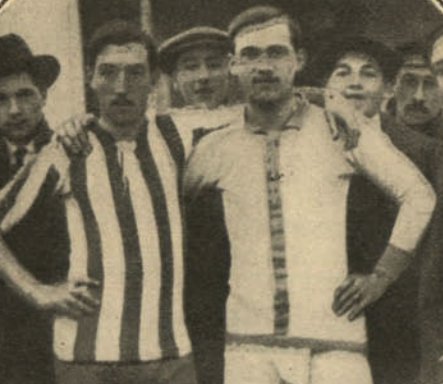
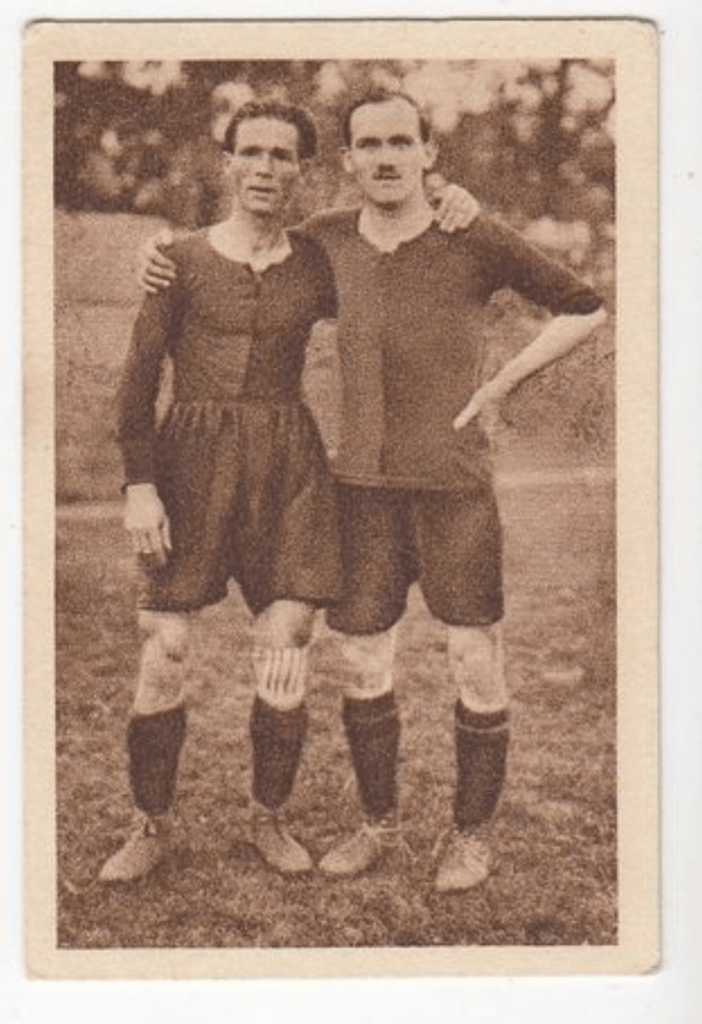
The two of the greatest players of their generation: Rafael “Pichichi” Moreno and Imre Schlosser
He took a break from football for two years and then spent an uneventful season in Austria at Weiner AC in 1925 before returning again to his first club Ferencváros for the 1926-27 season. Although it had been over 20 years since his first game, his star once again shone brightly as he helped the team to win a double of league and cup titles.
At the end of his career, Schlosser led the Nemzeti Bajnokság in scoring an incredible 7 times and finished his career with 13 league championships.

His international numbers were equally impressive, where he tallied 68 goals in 58 games for Hungary becoming the first International player to reach 50 goals in international competitions. The Hungarian team had a winning percentage of over 70% when Schlosser was in the lineup.
Schlosser to this day remains the Hungarian leagues’ all-time goal scorer in the having netted 411 goals in only 301 matches. He is the first footballer to surpass the 500 goal mark in history finishing his career with 504 total goals and ranks 22 on the all time scoring leaders. At the time Schlosser retired, the next highest goal scorer being Steve Bloomer who had retired with 314 goals in top-flight football.

Schlosser is considered the father Magyar football and inspiration for future footballers such as György Sarosi, Laszlo Kubala, Sandor Kocsis and Ferenc Puskas. While its fair to say that the Hungarian league and majority of international competition fell far behind the level of English football during this period, Schlosser excelled to such an extent that his achievements must recognized in the context of his peers. The same can be said for other international legends, who helped build the game in their home countries such as Authur Friedenreich in Brazil, Jose Piendibene in Uruguay Alberto Ohaco in Argentina. Like these other early legends, Schlosser leaves a lasting legacy for the game of football and deserves inclusion in the pantheon of all-time greatest prewar international footballers.
Imre Schlosser Cards
Unfortunately for collectors, there are are a only scant number of cards of Schlosser available. Collectors have uncovered some sensational postcards from Hungary, as well as team photos that feature Schlosser. However, regular issue cards of Schlosser are illusive.
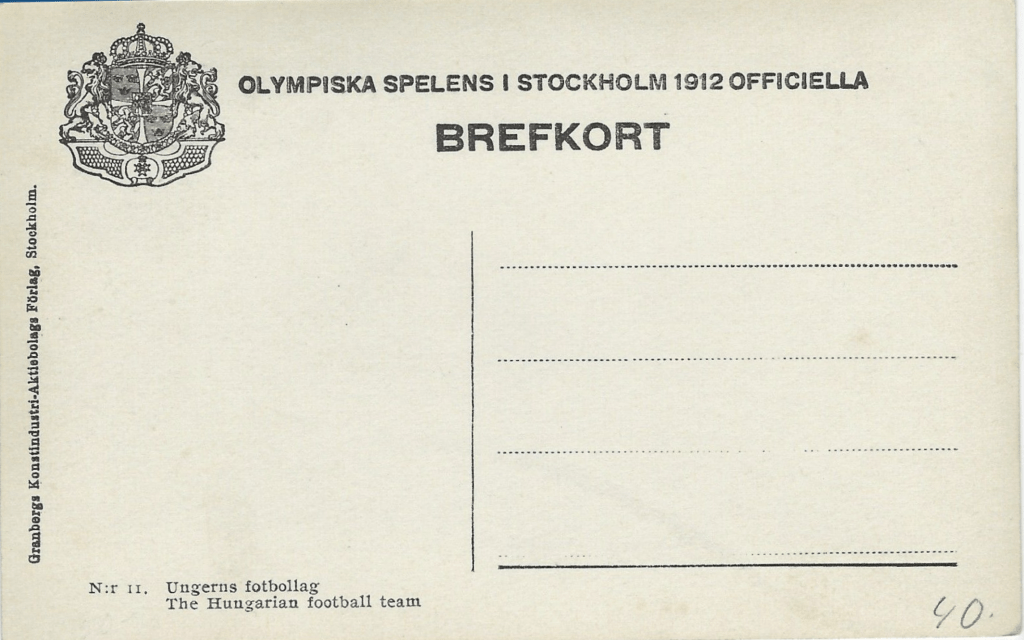
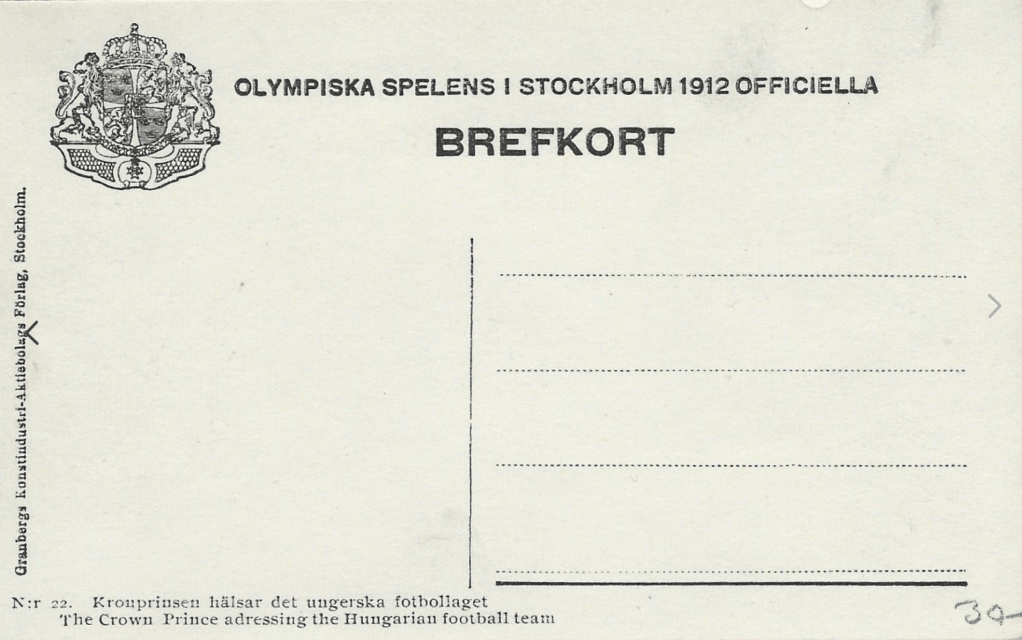
Luckily, as Hungary played at the 1912 Olympics, Schlosser appears on postcards (Brefkort) that were issued for the Swedish Olympics of the Hungarian National team.
Brefkort 1912 Official Postcard for Sweden Olympics
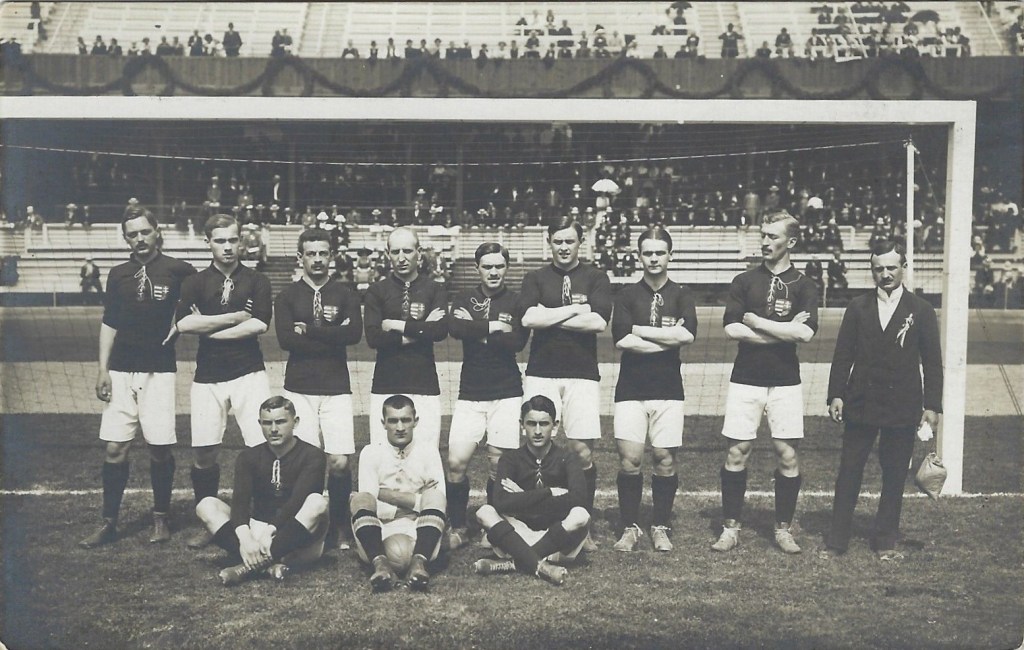
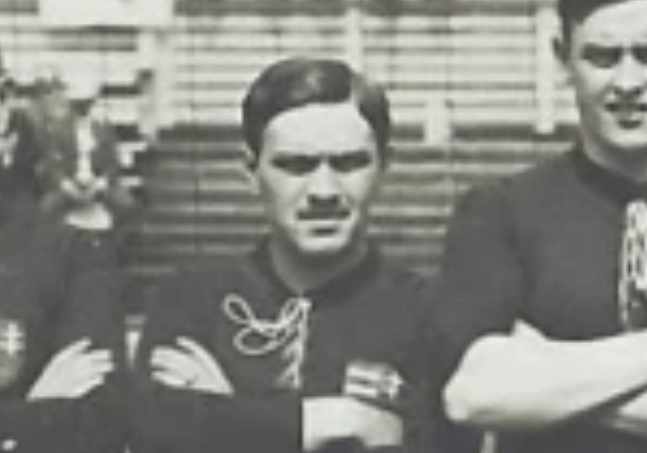
This excellent postcard of the Hungarian National team features Schlosser as the focal point of the team in the middle of the back row of the team photo.
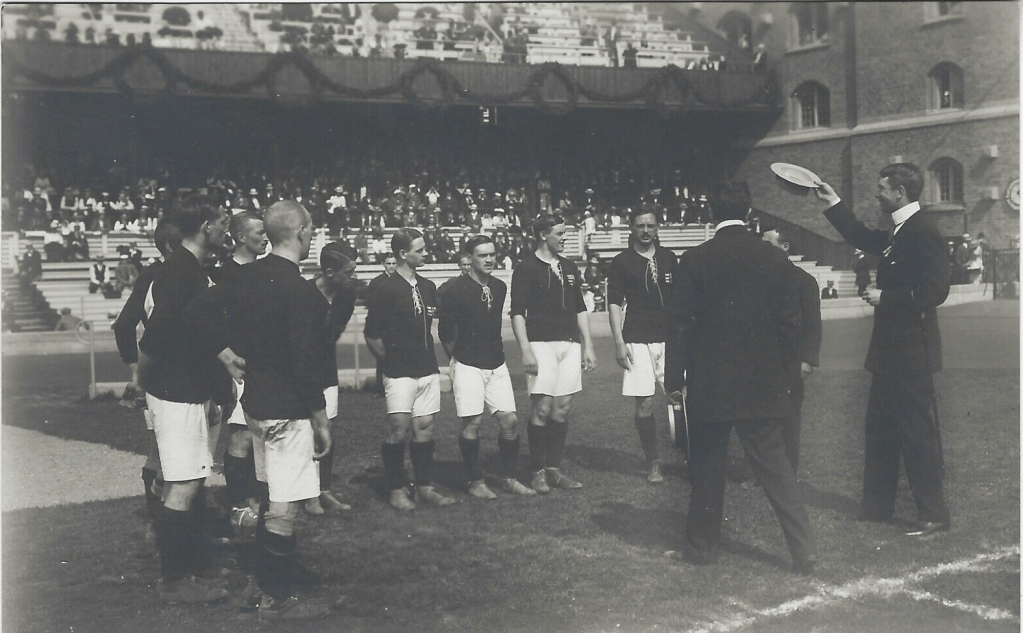
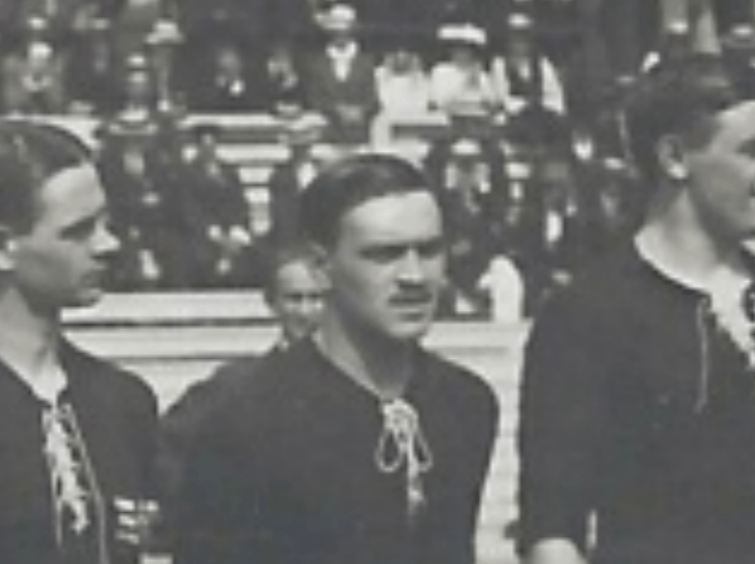
Like the team photo, this postcard also features Schlosser as the focal point in the middle of of the photo, while the Crown prince of Denmark addresses the Hungarian team.
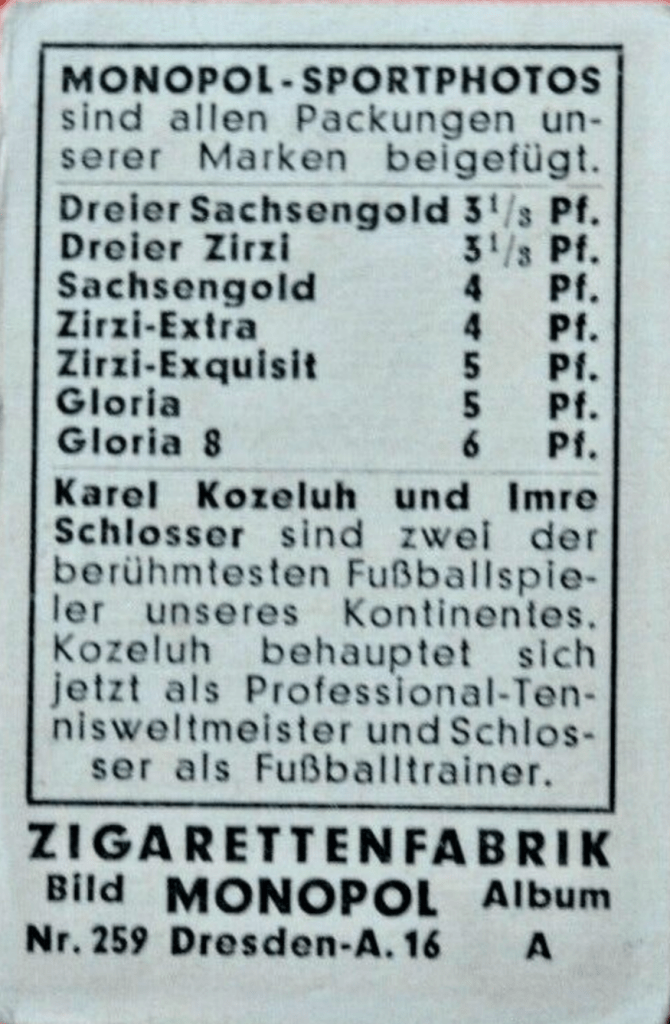
1932 Monopol Zigarettenfabrik, Dresden Sportphoto Album – Card #259. Kozeluh u. Schlosser
This is the only cigarette card I am aware of that exists of Imre Schlosser. It is a fairly accessible card from the 1932 German Monopol set, where he is pictured with the Czech multisport athlete Korel Kozeluh, likely from their time together at Weiner AC in Austria.

 The Cardboard Junkie